Bioinformatics · Computational biology · Biostatistics
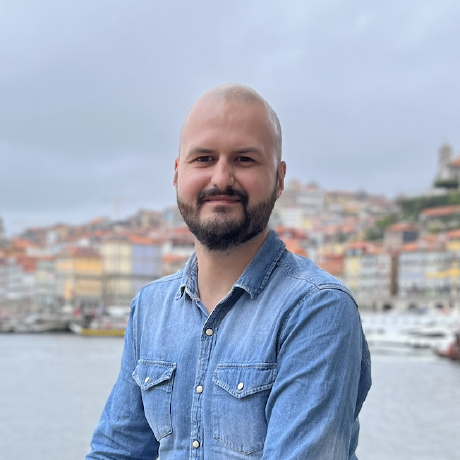
Bartosz Czech, PhD, Eng.
Bioinformatician and computational biologist
Assistant Professor at Wrocław University of Environmental and Life Sciences · Senior Bioinformatician in pharmaceutical R&D · Founder of GeneStat
Wrocław, Poland
14 peer-reviewed articles
134 citations
7 h-index
7 years in pharma R&D
Citation counts from OpenAlex, updated 2026-11-06. Google Scholar counts are usually higher.
About
I am a bioinformatician and computational biologist. I analyse sequencing, mass spectrometry and drug screening data, build statistical models that answer biological questions, and write R packages and pipelines that make these analyses repeatable. My methods do not depend on the organism: I have worked with data from human cancer cell lines, cattle, chickens, cats, dog cells infected with influenza virus, and gut bacteria.
Current roles
Since May 2026
Assistant Professor
Department of Genetics, Wrocław University of Environmental and Life Sciences. Research in bioinformatics and computational biology; teaching bioinformatics and biostatistics.
Since July 2019
Senior Bioinformatician
Pharmaceutical R&D, contracted through 7N. Drug response screens, NGS and phosphoproteomics data, R/Shiny applications and WDL pipelines.
Since 2019 · own company
Founder, GeneStat
Bioinformatics and statistics services for research groups and companies: sequencing and spatial transcriptomics data, statistical analysis of experiments, written reports.
Research
Sequencing data analysis
Whole-genome and targeted sequencing, variant calling, bulk and single-cell RNA-seq, small RNA-seq and 16S rRNA. I take the data from raw reads through quality control and alignment to statistical tests.
Multi-omics integration
Combining data types to explain one biological process, for example host gene expression with gut microbiome profiles. I also analyse mass spectrometry phosphoproteomics.
Statistical modelling and machine learning
Dose-response models for drug screens and drug combinations, mixed models and association studies, and supervised and unsupervised learning.
Selected work
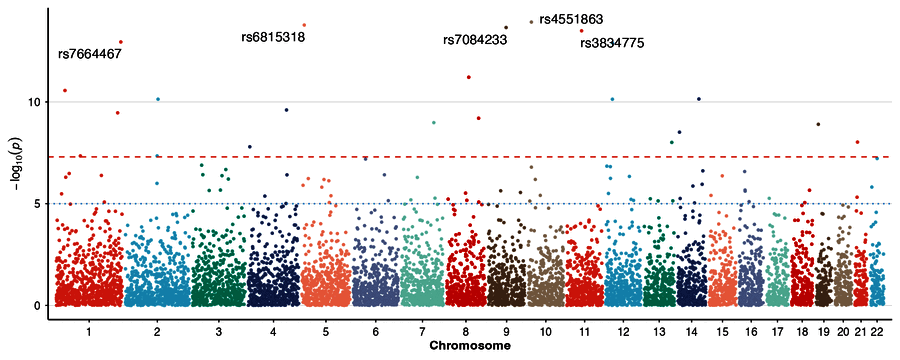
ggwas
ggplot2 plots for GWAS summary statistics: Manhattan, QQ, Miami, locus zoom, PheWAS and more. Submitted to Bioconductor.
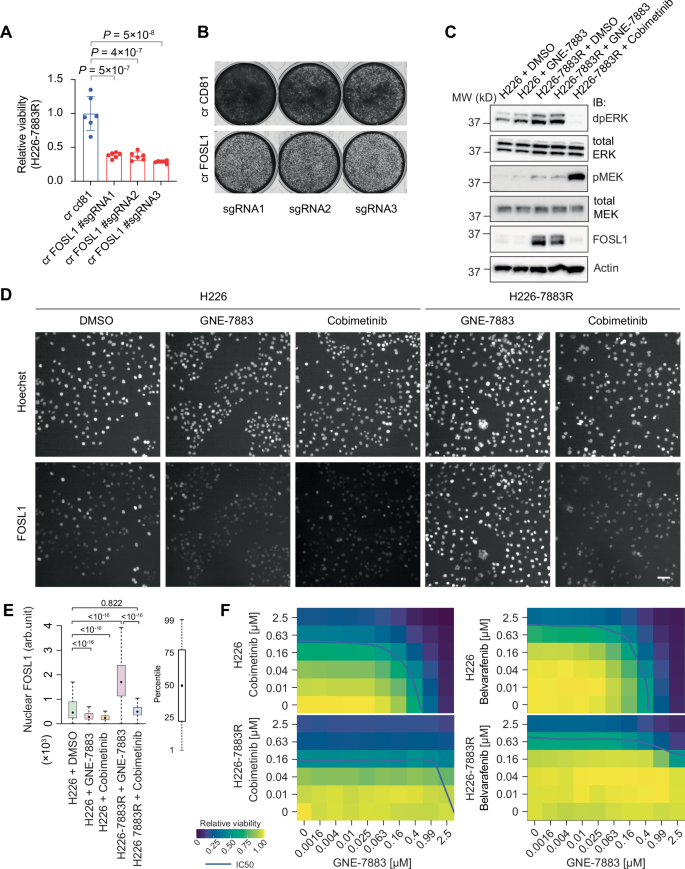
Resistance to TEAD inhibitors
Joint activation of the Hippo and MAPK pathways makes cancer cells resistant to TEAD inhibition. I processed the drug screen data with the gDR package.
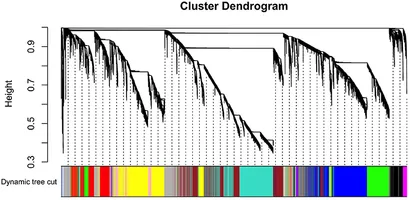
Host transcriptome and microbiome integration
Co-expression networks connect host RNA-seq with 16S rRNA profiles of gut bacteria to describe the response to heat stress.
Skills
Sequencing and omics data
Drug discovery and proteomics
Statistics and machine learning
Programming and visualisation
Pipelines, infrastructure and data
Collaboration and delivery
Path
- 2014BSc in BioinformaticsWrocław University of Environmental and Life Sciences
- 2017MSc in BioinformaticsBiostatistics and bioinformatics programming
- 2018NGS internshipAarhus University, Denmark
- 2019Pharma R&D, GeneStat, PhDSenior bioinformatician via 7N; own company; doctoral studies
- 2024PhD in Biological SciencesWrocław University of Environmental and Life Sciences
- 2025MBA in Healthcare ManagementPoznan University of Medical Sciences, in progress
- 2026Assistant ProfessorDepartment of Genetics, Wrocław University of Environmental and Life Sciences
Teaching
I teach bioinformatics and biostatistics to bioinformatics and biology students at Wrocław University of Environmental and Life Sciences. Slides, worksheets and datasets are public (course pages in Polish; Coding Lab in English).
Contact and collaboration
I am open to collaboration on sequencing and multi-omics projects. Academic projects run through the university, commercial analyses through GeneStat. Write to me with a short description of your data and the question you want to answer.
Department of Genetics, Wrocław University of Environmental and Life Sciences, Kożuchowska 7, 51-631 Wrocław, Poland